Land Rover каталог запчастей и аксессуаров
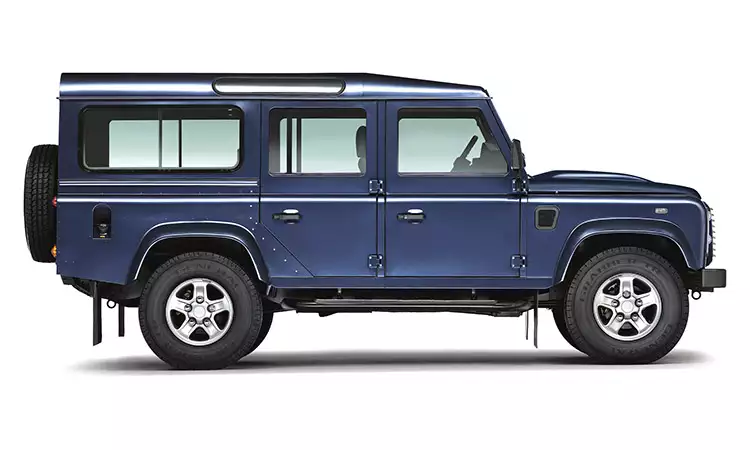
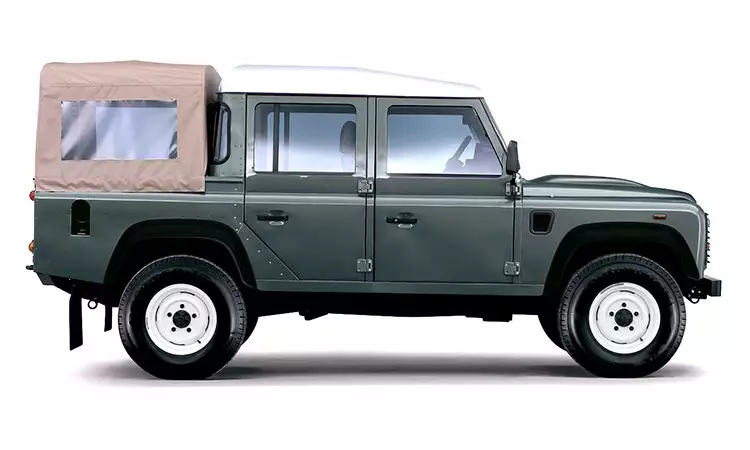
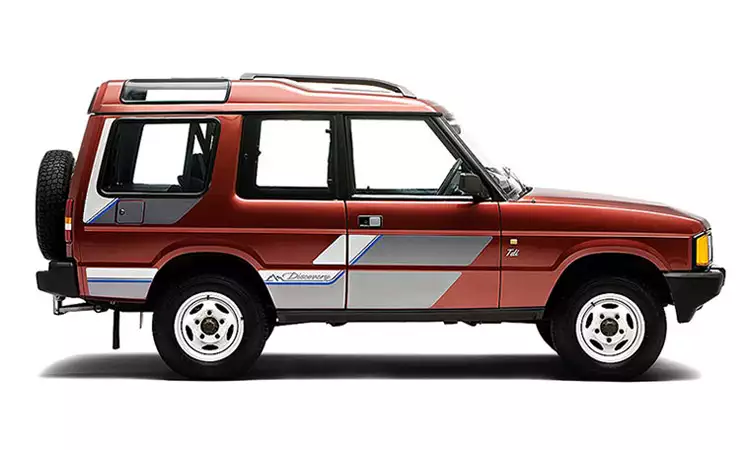
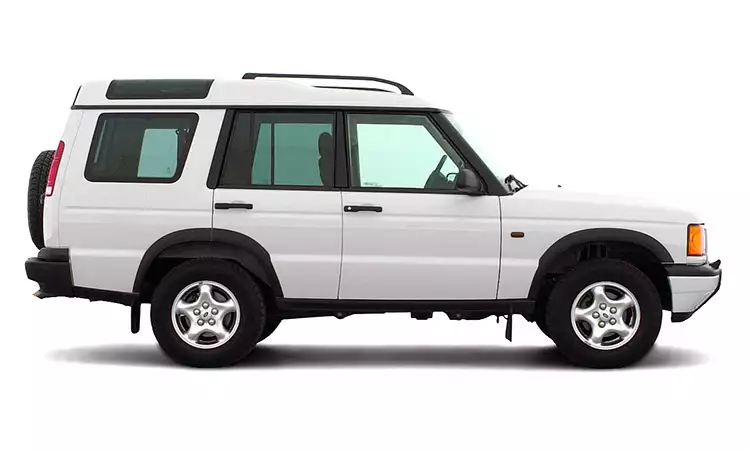
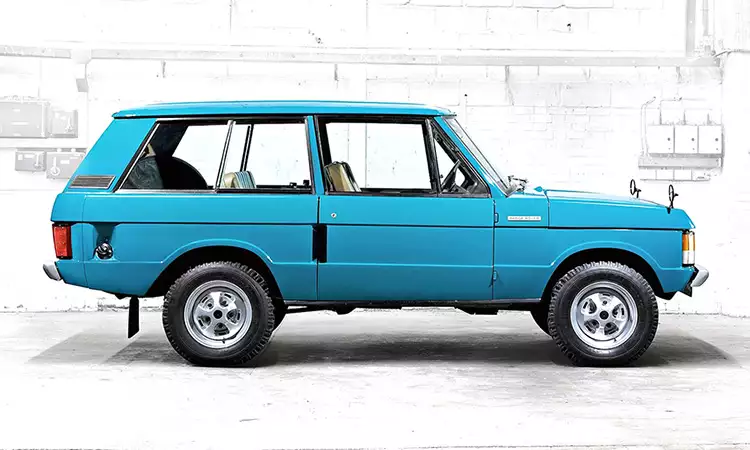
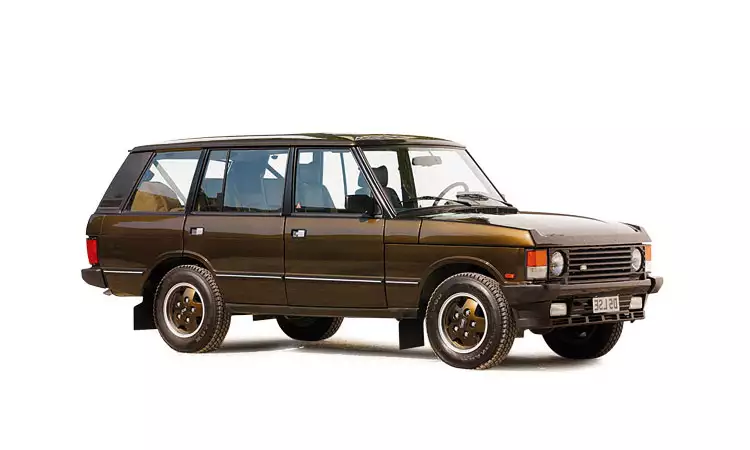
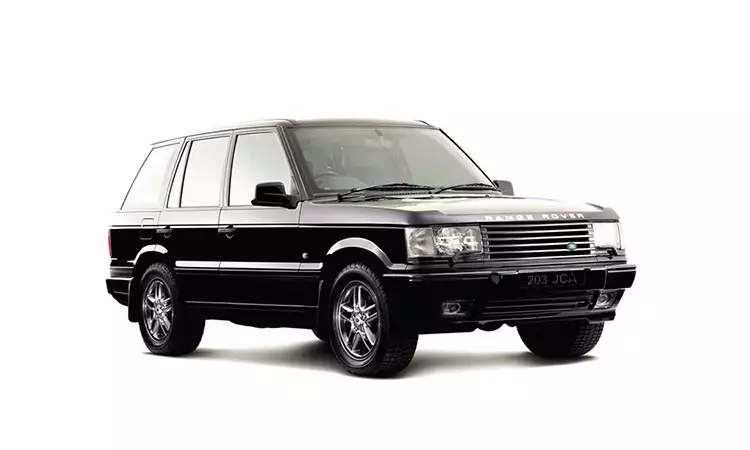
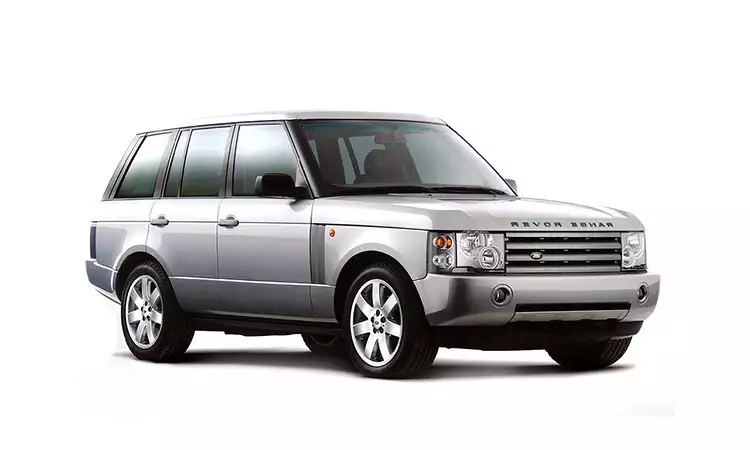

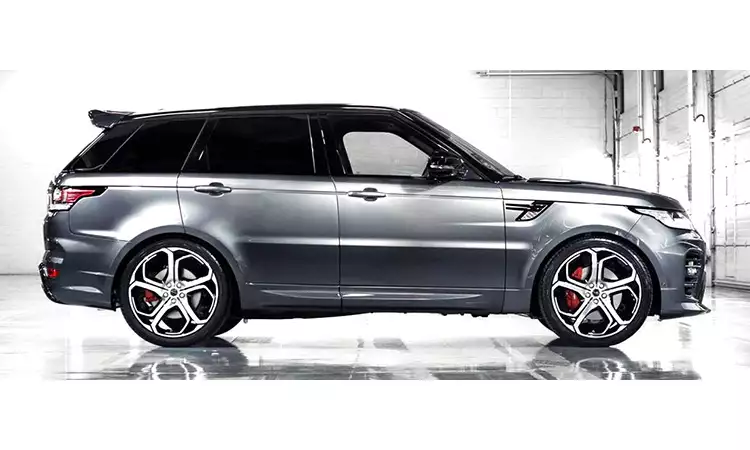
Land Rover Факт #1
Land Rover history had begun in post WW II Britany. The very first Land Rover was built in 1947 by two brothers, Maurice and Spencer Wilks. Maurice was chief designer of a Rover, British car manufacturing company and Spencer was its Managing Director. Brothers got inspiration from military 4×4 Willys Jeep.
Land Rover Факт #2
During the 1970s and 80s the evolution of Land Rover and Range Rover had continued. Land Rover recognition had grown even more through such events as the Paris-Dakar Rally, which demonstrated outstanding capabilities of these vehicles.
Land Rover Факт #3
Between 1980 and 2000, The Camel Trophy – annual vehicle-oriented competition was held. It was best known for its use of Land Rover vehicles over challenging terrain. Those motorsport events have been called “the Olympics of 4×4”, and were all about adventure and exploration. Throughout 20 years, courageous explorers visited Amazon, Sumatra, Zaire, Brazil, Borneo, Australia, Madagascar and more. Those dangerous expeditions through difficult terrain put human and vehicle endurance to real test. Over the course of the twenty years, all of the Land Rover vehicle range were used, including Range Rover, Series III, Defender, Discovery and Freelander.